The International Shipping Crisis No One Is Talking About
There’s a problem quietly frustrating buyers and sellers across the globe, and it’s hiding in plain sight, international shipping that doesn’t actually ship.
A customer recently paid $35 to send a package internationally. Ten days later, it hadn’t moved an inch. No update, no estimated delivery date, no explanation, just silence.
For the person waiting on the other end, that silence is maddening. For the seller, it’s damaging to their reputation, even though it’s not their fault.
This isn’t an isolated incident. It’s becoming the norm. Across the industry, shipping services are collecting payments and offering little in return, no real-time tracking, no honest delivery windows, and no accountability when things go wrong.
Buyers are left refreshing tracking pages that never update, wondering whether their package is lost, stuck in customs, or simply forgotten.
International shipping is already one of the more stressful parts of global commerce. Buyers are trusting sellers and the services they use to move something valuable across borders safely and on time. When that trust is broken by poor service and zero communication, everyone loses.
The Seller’s Reputation Pays the Price
Here’s the part that often goes unspoken. When a shipping provider fails, it’s rarely the carrier that takes the public hit. It’s the seller.
A buyer who waits three weeks for a package that was supposed to arrive in seven days doesn’t leave a bad review for the courier.
They file the dispute with the marketplace, tell their friends not to order from that store. Then the seller, who packaged the item promptly and handed it over in good faith, now has to absorb the refund, the negative feedback, and the reputational damage caused entirely by a third party they trusted.
This dynamic is quietly driving some small businesses and independent sellers away from international markets altogether.
Why take on the risk of selling globally if you have no visibility into what happens to your product once it leaves your hands? The inability to track, escalate, or even get a straight answer from a carrier turns international selling from an opportunity into a liability.
For many sellers, shrinking back to domestic-only shipping feels like the safer bet, and that’s a loss for everyone.
Why “Cheap” Shipping Is Often the Most Expensive Option
There’s a reason some shipping services can offer rates that seem too good to be true, and it’s not operational efficiency. It’s corner cutting. Slower transit routes, minimal tracking infrastructure, outsourced last-mile delivery to the cheapest local partners, and little to no customer support all help keep the sticker price down. But the true cost reveals itself later.
A seller who ships a $40 product using a $6 budget carrier and then has to issue a full refund because the package was lost has effectively paid $46 to send nothing. Multiply that across multiple orders, a realistic scenario for any seller using unreliable carriers at scale and the savings evaporate entirely. The buyer, meanwhile, has wasted time, lost trust, and walked away with nothing.
Cheap shipping is only cheap when it works. When it doesn’t, the cost is invisible at the point of purchase but very visible at the point of failure. What looks like a bargain at checkout has a habit of becoming a dispute, a refund, and a lost customer. Real value in shipping isn’t about the lowest price, it’s about the reliability that makes the price worth paying.
How Pigee Solves this shipping Crisis
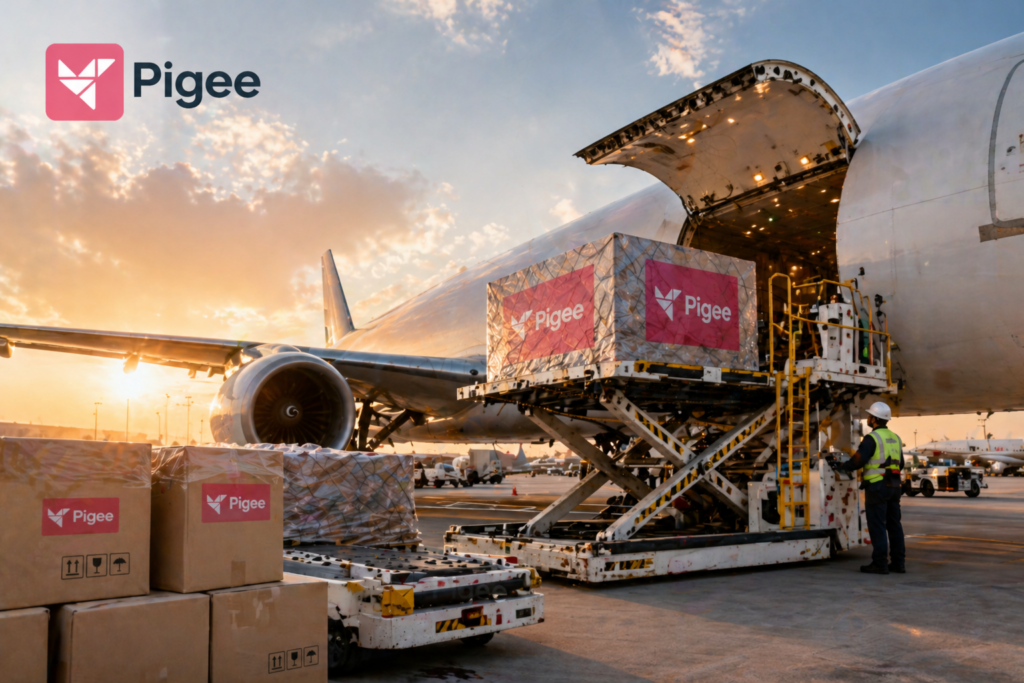
This is the exact problem Pigee was built to fix. From the moment a package is collected, it’s tracked, no black holes, no guessing games. Delivery windows are realistic, and Pigee actually sticks to them.
Pricing is transparent, reflecting the quality of service being delivered. And fundamentally, packages move, because a shipment sitting still isn’t a shipment. It’s a problem.
Customers deserve to know where their package is, when it will arrive, and that someone is paying attention if something goes wrong. That level of reliability shouldn’t be a luxury in international shipping, it should be the baseline.
That’s the standard Pigee is holding itself to.
Ready to make the switch?
share this article.