
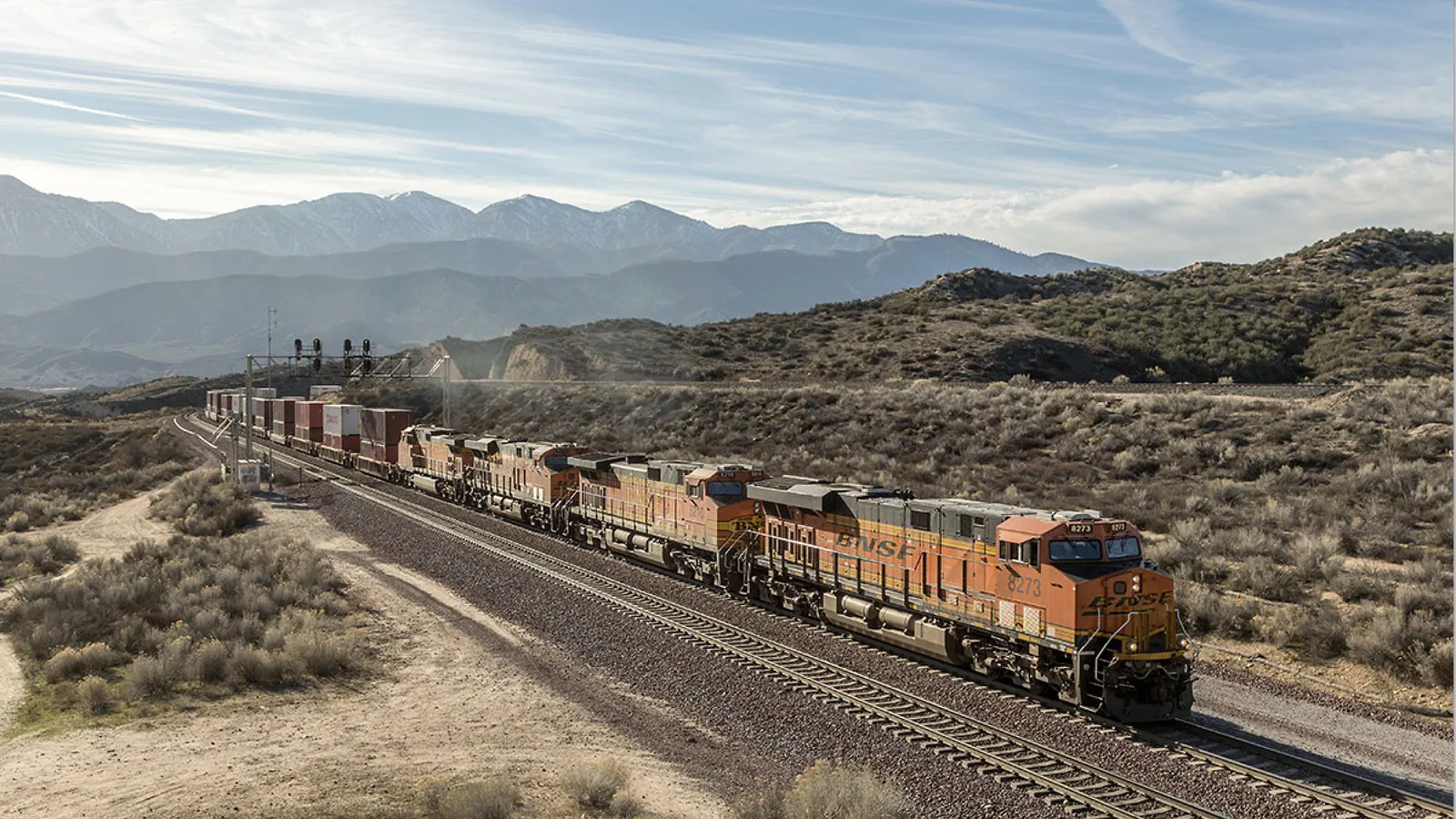
Railroad giant BNSF has announced plans to build a massive new intermodal logistics facility in Barstow, California. The project, valued at roughly four billion dollars, will span about 4,500 acres and include transload warehouses designed to move goods efficiently between rail cars and trucks. For anyone who ships products across the country, this kind of investment signals where freight infrastructure is heading.
The Barstow International Gateway sits at a strategic point between major ports and inland distribution networks. That location matters because it shortens the distance goods travel before reaching regional warehouses. As a result, businesses that rely on cross-country shipping may eventually see faster transit times and more predictable delivery schedules.
Why a New Intermodal Logistics Facility Matters
Large-scale rail projects like this one are not just about moving more freight. They are about moving it more efficiently. An intermodal logistics facility allows cargo to switch between trains and trucks without extensive handling delays, which reduces bottlenecks that often frustrate small and mid-sized shippers.
For years, ports and highways have struggled to keep pace with rising e-commerce demand. Rail expansion offers an alternative path for goods, easing pressure on trucking routes and congested highways. However, the benefits will not appear overnight. Construction and full operational capacity typically take years to materialize.
What This Means for Small Business Owners
Small business owners might wonder how a massive rail project in California affects their day-to-day operations. The truth is, infrastructure investments like this ripple outward. When large carriers expand capacity, it often creates more competitive shipping rates and additional route options for smaller shippers who use third-party logistics providers.
Additionally, transload warehouses tied to facilities like this one can serve as staging points for goods before they reach regional distribution centers. That means products manufactured overseas or on the East Coast could reach West Coast customers through more streamlined channels. Over time, this may translate into shorter delivery windows for online orders.
Still, small businesses should not assume these changes will happen quickly. Instead, they should stay informed about shifts in freight capacity and adjust their own delivery strategies as new options become available.
Balancing Rail Expansion With Last-Mile Delivery
While large rail projects handle long-haul freight, the final leg of delivery, known as last-mile logistics, remains just as critical for customer satisfaction. Even if goods arrive faster at a regional hub, businesses still need reliable systems to get those products to customers’ doors.
This is where many small business owners struggle. Coordinating drivers, tracking routes, and managing payouts can quickly become overwhelming without the right tools. As shipping networks grow more complex with new rail hubs and warehouses, having a simple way to manage local delivery becomes even more valuable.
Preparing for a Shifting Logistics Landscape
Projects like the Barstow International Gateway are a reminder that logistics infrastructure is constantly evolving. Businesses that pay attention to these shifts, even ones happening far from their own location, often find opportunities to improve their own shipping strategies.
For example, a company that ships nationally might explore new carrier partnerships as rail capacity expands. Meanwhile, local businesses can focus on strengthening their last-mile operations to complement these larger network changes. Either way, staying adaptable is key to keeping delivery promises to customers.
As the logistics industry continues to invest in massive intermodal logistics facility projects like this one, it becomes even more important for smaller operators to keep their own delivery processes organized and efficient. If you manage a delivery business and want a simpler way to handle riders, routes, and payouts, it might be worth checking out Pigee Courier. It brings everything into one dashboard, making it easier to keep pace with a logistics world that is only getting more complex.
Try Pigee Courier: https://courier.pigeepost.com/


