
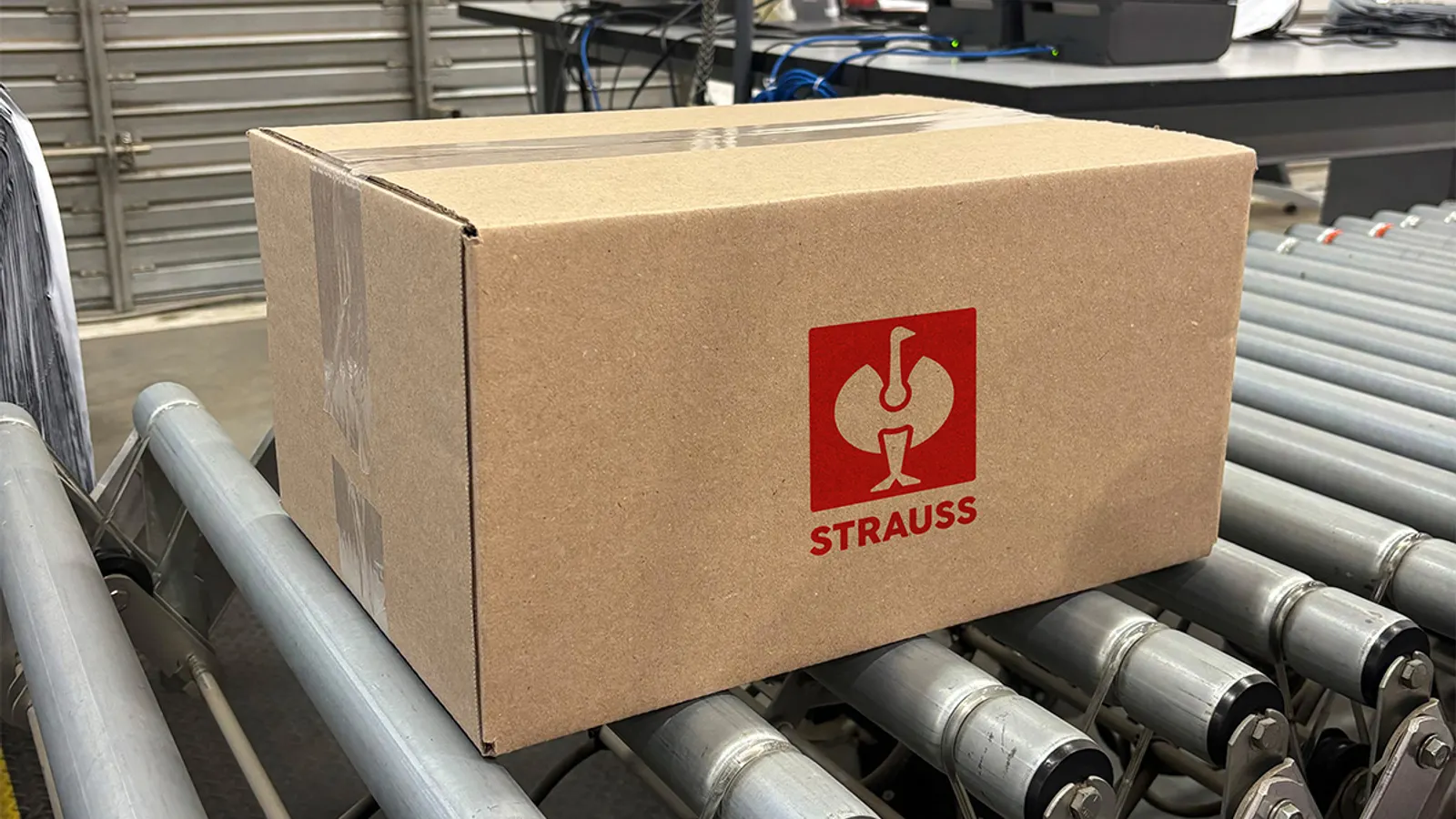
Workwear brand Strauss has signed an end-to-end logistics deal with DHL Supply Chain, bringing warehousing, distribution and product customization under a single partnership. The move is designed to simplify order processing and shorten the time it takes for products to reach customers. For an industry that has spent years wrestling with fragmented supplier networks, this kind of consolidation is worth paying attention to.
At its core, the agreement reflects a broader shift happening across retail and manufacturing. Brands are increasingly deciding that owning every piece of their supply chain is less valuable than partnering with a specialist who can run it better. DHL Supply Chain, already a major player in contract logistics, becomes the operational backbone for Strauss rather than just a shipping vendor.
Why an End-to-End Logistics Deal Makes Business Sense
Handling warehousing, distribution and customization separately often means more handoffs, more delays and more room for error. An end-to-end logistics deal removes many of those friction points by putting one partner in charge of the full journey from storage to final delivery. That structure can translate directly into faster turnaround times, which matters a great deal in workwear, where bulk orders and custom sizing are common.
For Strauss, the appeal is straightforward. Instead of juggling multiple vendors and reconciling separate systems, the company can lean on DHL’s existing infrastructure and expertise. As a result, internal teams can focus more on product and customer relationships rather than the mechanics of moving goods.
What This Signals for the Broader Logistics Market
Deals like this one are becoming more common as mid-size and enterprise brands look to outsource complexity rather than build it in-house. It signals confidence among logistics providers that long-term, multi-service contracts are where the growth is, rather than one-off shipping jobs. For competitors in the third-party logistics space, this raises the bar on what a full-service offering needs to include.
Investors watching the supply chain sector should note that customization services, not just warehousing and transport, are becoming a differentiator. A provider that can bundle product personalization alongside distribution is offering something harder to replicate than basic freight movement. That bundling is likely to shape how logistics companies pitch new partnerships going forward.
Lessons for Smaller Operators
Not every business can sign a deal on the scale of Strauss and DHL, however the underlying lesson still applies. Consolidating fragmented logistics processes, even on a smaller scale, tends to reduce errors and speed up delivery. Small and mid-size operators should look at where their own order processing has too many manual steps or too many disconnected vendors.
The bigger picture here is that supply chain efficiency is no longer just a cost center. It is becoming a competitive advantage that companies are willing to restructure entire vendor relationships to capture. Brands that streamline now are positioning themselves to handle demand spikes and customer expectations more smoothly than those still managing scattered systems.
If you run a delivery or logistics operation and want that same kind of streamlined control without an enterprise-level contract, Pigee Courier is worth a look. It helps delivery businesses manage riders, routes and payouts all in one dashboard, making it easier to keep operations organized as you grow. You can check it out at https://courier.pigeepost.com/.
Try Pigee Courier: https://courier.pigeepost.com/


