
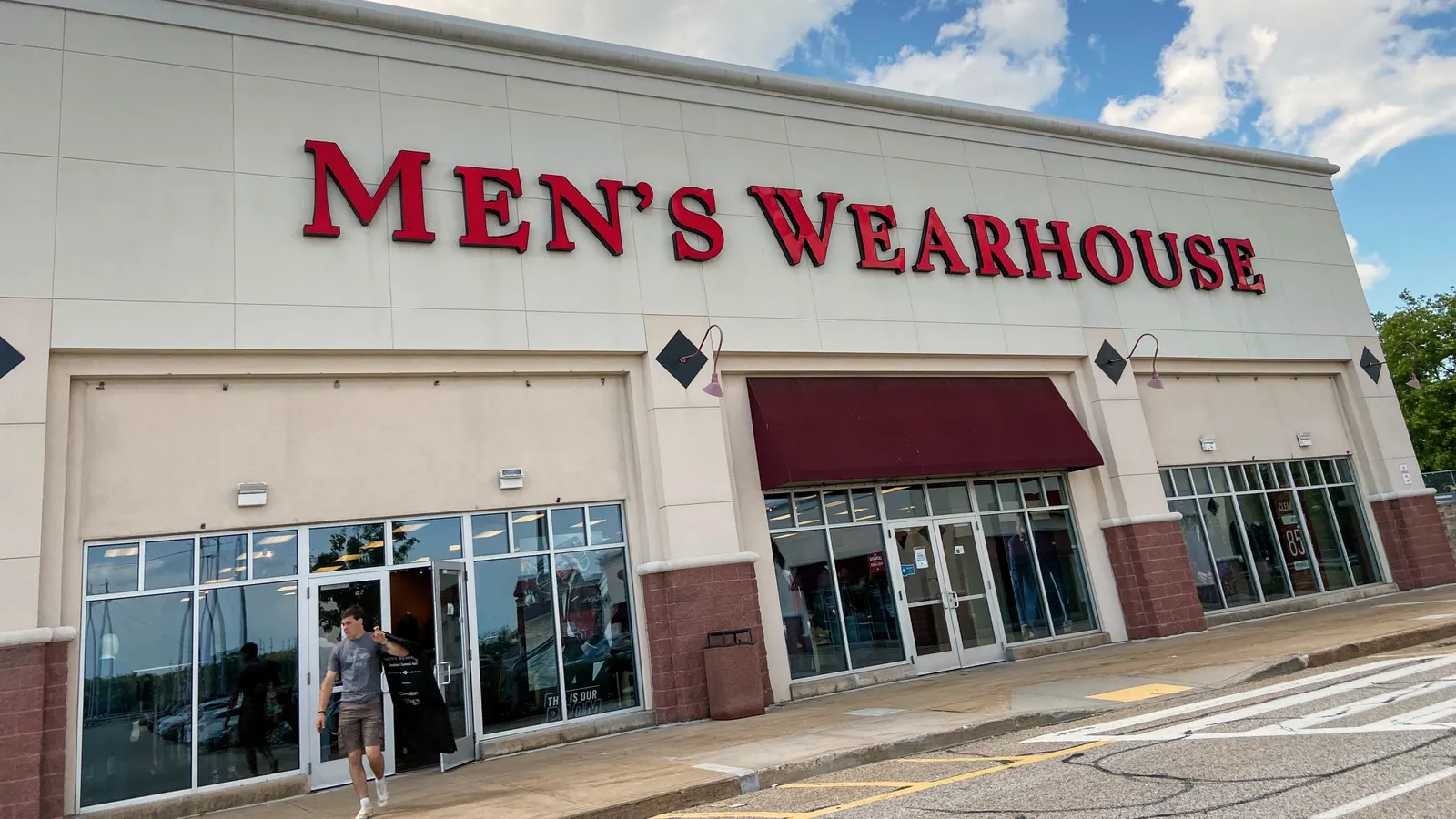
Tailored Brands, the parent company of Men’s Wearhouse, has filed for an initial public offering with a set of retail expansion plans that would have seemed unlikely just a few years ago. After closing more than 400 stores in 2020, the company now wants to reverse course and reopen its footprint, starting with 20 locations this year and ramping up further by 2027. For a business that once looked like it was shrinking permanently, this is a notable pivot.
What the IPO filing reveals about retail expansion plans
The decision to file for an IPO while simultaneously announcing plans for roughly 500 new stores tells investors two things at once. First, management believes the physical retail model still has room to grow, even in an era dominated by online shopping. Second, going public gives the company a way to raise capital that can fund store buildouts, lease commitments and inventory without leaning entirely on debt.
This combination of public listing and store growth is a signal that Tailored Brands sees demand returning for in-person shopping experiences, particularly for occasion wear like suits and formalwear that customers often prefer to try on before buying. As a result, the company appears to be betting that a leaner, more selective store network can be more profitable than the sprawling footprint it had before the pandemic forced widespread closures.
Why the store rollout matters for operators and investors
For competitors and mall operators, this expansion plan is worth watching closely. If Tailored Brands succeeds in opening new locations profitably, it could encourage other apparel retailers who scaled back during the pandemic to reconsider their own retail expansion plans. Landlords, in particular, may welcome a tenant willing to commit to long term leases at a time when many retail spaces remain vacant.
However, the road from IPO filing to 500 completed stores is not guaranteed. Retail expansion plans of this scale require careful site selection, staffing, and supply chain coordination to avoid repeating past mistakes. Investors weighing whether to buy into the offering will likely pay close attention to how the first 20 stores perform this year before judging whether the larger 2027 target is realistic.
Still, the fact that a company is willing to grow its physical footprint after such deep cuts suggests a broader shift in retail sentiment. Brands that survived the closures of recent years may now be positioned to expand from a more disciplined base, rather than the overextended networks that got them into trouble in the first place.
What this means for smaller retail businesses
Small business owners in retail and delivery adjacent industries should take note of this trend. As larger chains reinvest in physical locations, competition for prime retail space, local delivery capacity, and last mile logistics will likely increase. Businesses that can move goods efficiently between stores, warehouses, and customers will have an edge as this kind of expansion plays out across the sector.
If your business is managing growing delivery demands alongside store or order growth, it helps to have the right tools in place. Pigee Courier is worth a look for delivery businesses that need to manage riders, routes and payouts from a single dashboard, making it easier to scale operations as order volume grows.
Try Pigee Courier: https://courier.pigeepost.com/


