Bali Tourism’s Plan to Bounce Back Post-COVID


Bali Tourism’s Plan to Bounce Back Post-COVID

Bali Tourism’s Plan to Bounce Back Post-COVID

Life Facing the Pandemic in Tourism Reliant Areas:

The pandemic hit the world’s economy very hard. Few places suffered more than those that rely heavily on tourism. During COVID-19, people stayed home instead of traveling or visiting family and friends. This left many feeling lonely and hopeless.

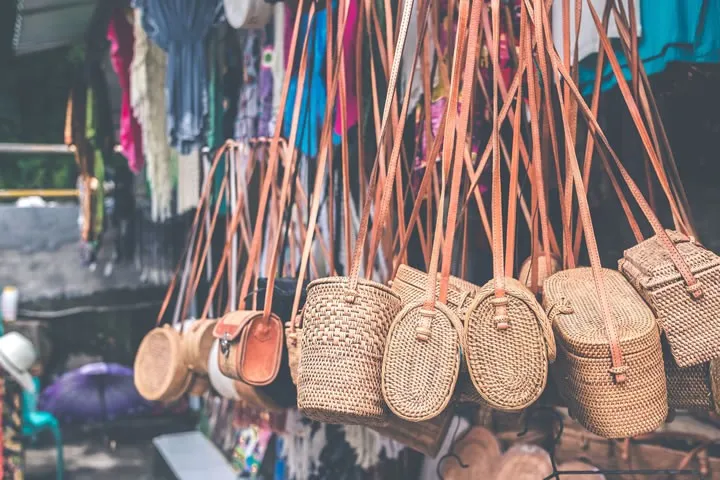
Popular tourist spots like Bali have many small shops that sell food and drinks to visitors. During the pandemic, their only customers were locals, who were also having a tough time. Many people in these areas work as craftsmen. They make special crafts and souvenirs that tourists love to buy. The lack of tourists in 2020 and 2021 really hurt their sales. Some reports say the pandemic caused the worst economic crisis Bali’s tourism industry has ever seen. Tourism makes up about 78% of Bali’s economy.

Losing their monthly income left many people desperate to feed their families. Many communities that rely on tourism had to find other ways to earn money and survive. Life changed completely, and new habits formed along the way. People kept struggling while waiting for government help during the crisis. One clear change was that every family started spending more carefully and managing their resources better.

How Bali Tourism Post COVID Is Rebuilding


  • Bali launched health and safety certification programmes for hotels, restaurants, and tour operators to reassure incoming visitors.
  • The Indonesian government invested in digital infrastructure to help local businesses reach online customers.
  • Community-based tourism projects were developed to spread economic benefits more evenly across villages.
  • Artisan and craft sellers began exploring online sales channels to reduce their dependence on foot traffic alone.

Local Sellers Moving Goods Across Borders

One lasting shift that emerged from the pandemic is that many Balinese small businesses and craftspeople started selling internationally online. Reaching customers in Australia, the UK, and beyond means dealing with cross-border shipping — something that was unfamiliar territory for many small traders.

This is where having the right tools makes a real difference. Platforms like Pigee give small businesses and individual sellers a simple way to compare couriers, book shipments, and manage international parcel delivery without needing a logistics team. Whether you are shipping handmade crafts from Bali or managing regular product exports, having a reliable shipping solution helps keep costs down and customers happy.

What the Recovery Means for Small Businesses

The Bali tourism post COVID recovery is a reminder that resilience often comes from diversifying how and where you sell. Businesses that adapted — moving products online and finding ways to ship globally — were better placed to survive and grow. As tourism returns, those same businesses now have both a local and an international customer base.

If you are a small business, retailer, or artisan looking to reach international customers, managing your shipping does not need to be complicated.

Ready to simplify your international shipping? Sign up with Pigee to compare couriers, book shipments, and deliver products to customers worldwide — all from one easy platform.


Leave a Reply

Your email address will not be published. Required fields are marked *